

Microdermabrasion Gallery
$$MultiPurposeText$$
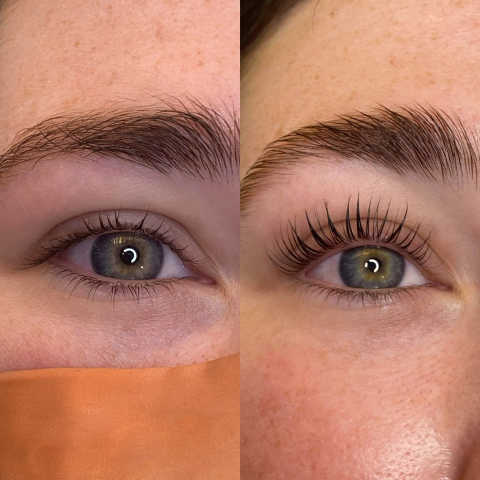
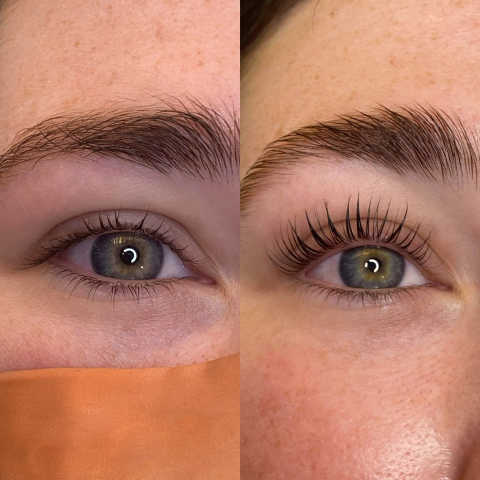
See examples of our Microdermabrasion work and results.




What Our Clients Say
$$MultiPurposeText$$
Read testimonials from our satisfied customers

Great facial . Always so relaxing

The facial experience was amazing. I got the microdermabrasion facial my skin feels great....more

First time coming here the service was really amazing shout out to Prfet she did amazing j...more

Sony gave me the best facial I’ve ever had! I used to get regular facials from a popular c...more

I popped in for a quick facial and it was honestly amazing! The whole thing was super rela...more

I love this place!! You must do a facial with them! I recommend!! ♥️

Frequently Asked Questions
Get answers to common questions about Microdermabrasion.
Many clients with mild sensitivity tolerate microdermabrasion when technicians adjust pressure and crystal levels. A patch test and consultation are recommended to assess skin condition. More reactive skin may need gentler alternatives or a tailored plan.
Results vary by skin type and upkeep; clients often notice smoother skin for several weeks. Maintenance treatments every 4-6 weeks are recommended for cumulative improvement and to manage fine lines, texture, and scarring. At-home care extends benefits.
Downtime is minimal; most clients experience temporary redness and mild sensitivity for a few hours to one day. Avoid sun exposure, heavy exercise, and exfoliating products immediately after. Following aftercare guidelines helps recovery and preserves results.
Microdermabrasion improves mild acne scarring and surface pigmentation by resurfacing skin and promoting cell turnover. Deeper scars or advanced hyperpigmentation may require combined treatments like chemical peels, microneedling, or laser therapy for optimal results.
Most clients describe a mild scratching or vibrating sensation rather than pain. Technicians adjust intensity for comfort, and topical numbing isn't usually necessary. Communicate any discomfort so pressure or speed can be reduced to ensure a gentle, effective treatment.
Before treatment, avoid retinoids, waxing, and heavy sun exposure for several days. Aftercare includes sunscreen, gentle cleansers, and hydrating products while avoiding active exfoliants for a week. Follow your technician's personalized plan to protect skin and maximize results.