

Dermaplaning Gallery
$$MultiPurposeText$$
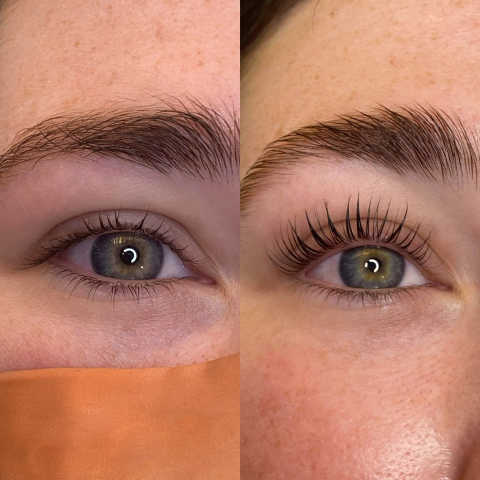
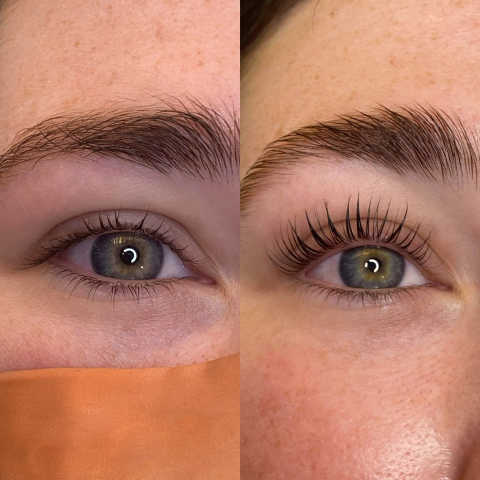
See examples of our Dermaplaning work and results.




What Our Clients Say
$$MultiPurposeText$$
Read testimonials from our satisfied customers

Great facial . Always so relaxing

The facial experience was amazing. I got the microdermabrasion facial my skin feels great....more

First time coming here the service was really amazing shout out to Prfet she did amazing j...more

Sony gave me the best facial I’ve ever had! I used to get regular facials from a popular c...more

I popped in for a quick facial and it was honestly amazing! The whole thing was super rela...more

I love this place!! You must do a facial with them! I recommend!! ♥️

Frequently Asked Questions
Get answers to common questions about Dermaplaning.
Yes, when performed by a trained professional. Dermaplaning is suitable for most skin types, including mild sensitivity. It should be avoided with active acne, open lesions, or severe rosacea. A consultation will determine safety and customize the treatment plan.
A typical session lasts 30 to 45 minutes, including consultation, cleansing, and post-treatment product application. Exact time varies with skin condition and add-ons like masks or serums. Please arrive a few minutes early for intake and consultation.
No—dermaplaning does not change hair thickness, color, or growth rate. Hair may appear blunt at first, but regrowth is the same. Regular treatments keep skin smooth, and we provide aftercare tips to manage any concerns.
Most clients benefit from dermaplaning every 4 to 6 weeks depending on hair growth and skin goals. Your esthetician will recommend a personalized schedule based on skin type, lifestyle, and treatment objectives to maintain smoothness.
Common short-term effects include slight redness or sensitivity that resolves within 24 to 48 hours. Avoid exfoliants, retinoids, and direct sun immediately after. Serious reactions are rare; follow aftercare instructions and contact us if irritation persists.
Dermaplaning pairs well with many treatments such as hydrating masks or light chemical peels when scheduled appropriately. Avoid aggressive procedures immediately after. Your esthetician will advise timing and sequencing to ensure safety and optimal results.